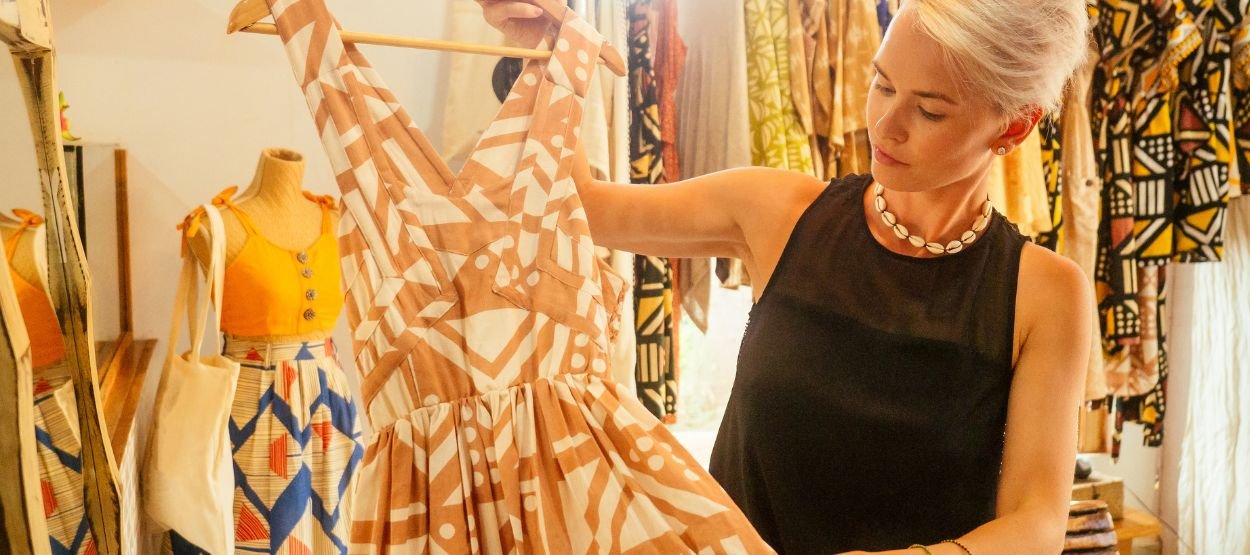



Kansas City used to sit quietly in the fashion talk. New York grabbed headlines. Los Angeles chased trends. Chicago had its own thing going. Meanwhile, Kansas City worked behind the scenes like a skilled tailor fixing seams nobody noticed. That has changed. Local designers, boutique owners, and artists now push Kansas City into a fresh spotlight. The city blends Midwest grit with modern style. It feels real. Honest. Maybe that’s why people connect with it so quickly. Fashion here does not scream for attention. It speaks clearly instead.
A City Built on Craft and Hustle
Kansas City has always valued hard work. You see it in the food scene, the jazz clubs, and even the old brick buildings downtown. Fashion followed that same path. Many local brands started small. Some began in spare bedrooms. Others grew from weekend pop-up shops or handmade markets. You know what? That story matters. Buyers today want a connection, not just another logo on a hoodie. Designers here focus on wearable pieces. Clean denim. Sharp jackets. Streetwear with personality. Handmade jewelry. There’s less pressure to copy runway trends and more freedom to create. That freedom gives Kansas City fashion its charm.
Why Shoppers Want Something More Personal
Big brands still dominate malls and ads. No surprise there. But many shoppers feel tired of mass-made clothing. Everything starts looking the same after a while. Kansas City brands lean into personality. A local shop owner may know customers by name. A designer might explain where fabric came from. Some brands even post sewing videos online. That simple touch builds trust. Honestly, fashion feels warmer when people see the hands behind the work. This shift also matches broader buying habits. Younger buyers care about local goods, fair pay, and small businesses. They ask questions now:
- Who made this?
- Was it produced fairly?
- Is this brand authentic?
Kansas City creators answer those questions well.
The Legal Side of Fashion — Yes, It Matters
Fashion looks artistic from the outside, yet law shapes much of the business. That part often gets ignored until problems appear. Trademark disputes are common. A brand name may sound original, then another company claims ownership. Logos create similar trouble. One small mistake can lead to expensive legal fights. Local fashion businesses also face issues tied to:
- Copyright protection
- Business licensing
- Online sales tax rules
- Employment laws
- Supplier contracts
Here’s the thing — many young designers focus heavily on creativity and skip legal planning. That can hurt growth later. Kansas City attorneys who work with retail and fashion brands now see more demand. Small labels want help protecting designs and avoiding legal headaches. Makes sense, right? Nobody wants years of work tied up in court. Some businesses also face challenges with counterfeit products online. Social media helps brands grow fast, though copycats move fast too.
Social Media Changed Everything
Instagram, TikTok, and Pinterest pushed Kansas City fashion far beyond Missouri lines. A designer no longer needs a huge budget to get noticed. One viral video can change everything overnight. Local creators use social media smartly. They show behind-the-scenes clips, fabric choices, design sketches, and even packaging orders. It feels less polished than luxury campaigns. Oddly enough, that makes it stronger. People trust what feels human. Kansas City’s street style scene also thrives online. Photographers capture everyday looks around the Crossroads Arts District or Westport neighborhoods. Those photos spread quickly and shape the city’s image. And yes, trends move fast online. Sometimes too fast. One week everyone wants oversized jackets; the next week it’s vintage workwear. Still, local brands adapt better than many giant retailers because they stay flexible.
Fashion Events Bring Energy to the City
Fashion shows and pop-up markets now pull larger crowds across Kansas City. These events help brands connect face-to-face with shoppers. That personal interaction matters. People can touch fabrics, ask questions, and hear the stories behind collections. It creates loyalty that online ads rarely match. Events also support local artists, makeup teams, photographers, and models. Fashion becomes a community effort rather than a single business. Some gatherings even combine live music and food trucks with runway shows. It feels less stiff than traditional fashion events. More welcoming. More Midwest. And honestly, that relaxed tone works.
Sustainability Is No Longer a Side Topic
Shoppers care more about waste now. Fast fashion faces heavy criticism because of pollution and poor labor conditions. Kansas City designers noticed. Many local brands use small-batch production. Some recycle fabrics or source materials from nearby suppliers. Others focus on timeless pieces instead of trend-heavy items people toss after one season. That slower approach may sound old-fashioned, but it fits current demand surprisingly well. Think about it like cooking. A handmade meal from a local diner often beats a rushed fast-food combo. Fashion works similarly. Customers want quality they can keep wearing.
Small Businesses Face Real Challenges
The growth sounds exciting — and it is — but challenges remain. Rent costs continue rising in popular areas. Online ads cost more than they did a few years ago. Shipping delays hurt smaller labels harder than giant corporations. Then there’s competition. A local designer may compete against global brands with massive marketing budgets. That pressure can feel brutal. Still, Kansas City businesses often survive because they stay connected to local support systems. Community markets, shared studios, and independent boutiques create a network that helps smaller brands stay visible. It’s not perfect. Far from it. Yet the community keeps pushing forward.
Midwest Identity Gives Kansas City an Edge
Kansas City fashion does not pretend to be coastal luxury. That honesty helps it stand apart. Designers here often mix practical clothing with creative details. You’ll see leather jackets paired with work boots or clean streetwear mixed with western influence. It reflects the region naturally. There’s also less pressure to appear exclusive. Some high-end fashion cities feel distant or cold. Kansas City feels approachable. Buyers appreciate that balance between style and comfort. And maybe that’s the real secret. The city creates fashion people can actually live in.
What Comes Next?
Kansas City fashion will likely keep growing through local pride and online reach. More brands now ship nationwide. Some already attract international buyers. Legal support for creative businesses may expand too. As brands grow, they need stronger contracts, trademark protection, and licensing guidance. Fashion schools and creative programs could also help train new talent locally instead of pushing students toward larger cities. The momentum feels real this time. Kansas City may never copy New York or Paris. Honestly, it shouldn’t. Its strength comes from doing things differently — slower, smarter, and with more heart. That approach connects with people right now.
FAQs
Why Kansas City Is Becoming a Fashion Destination.
Kansas City combines local flavor with functional style. Small brands, artists and social media exposure made the scene flourish fast.
Legal issues affecting fashion business
Fashion firms regularly encounter issues including trademarks, copyrights, contracts, taxes and restrictions around internet sales. Legal planning safeguards long-term growth.
Are sustainability values important to Kansas City fashion brands?
Many local firms are trying to limit waste by making small batches, using recycled materials, and sourcing ethically.
How social media help local designers?
Social platforms like Instagram and TikTok allow designers to connect directly with shoppers without the need to spend a lot on advertising.
How is fashion in Kansas City different?
Kansas City fashion is more personal and wearable. It’s a laid-back, friendly mix of Midwest culture and modern elegance.