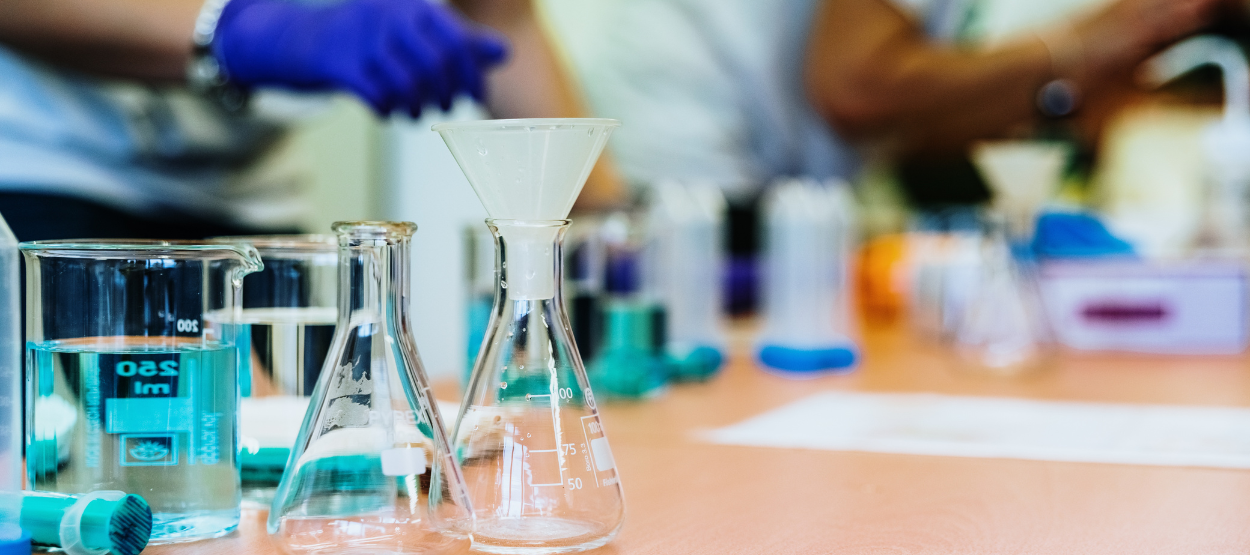



Kansas City is emerging quietly but confidently as a discovery and science hub. Green tech, medical science, and all points in between – the city is building a cleaner, smarter future. The city labs, universities, and startups all blend together to meet real-world challenges. The new science community is putting its own spin on the Midwest.
Kansas City’s Emerging Science Network
Science grows better when ideas are shared among people. Kansas City’s laboratories and research centers open their doors to cooperative partnerships. The University of Kansas, UMKC, and the Stowers Institute for Medical Research are spearheading this. They focus on the life sciences, genetics, and environmental science. It is also backed by technological business communities. Technology, biotechnology, and clean energy companies tend to partner with such research organizations. They drive research from conception into the market. Such partnership has revolutionized technological advancements in Kansas City as a center where science meets real-world application.
Life Sciences and Health Research
Kansas City is a hub for life sciences. The Stowers Institute is a global-caliber research facility for cellular and disease studies. The Kansas City Area Life Sciences Institute unites local researchers in partnerships. Medical research also takes place outside of the lab. Clinics like Children’s Mercy and the University of Kansas Health System partner with researchers in the testing of new therapies. This partnership of lab and clinic results in rapid solutions for patients. Kansas City also boasts healthcare startups that produce medical devices, test kits, and healthcare data solutions. Small teams with creative answers to authentic challenges—improving lives.
Green Energy and Environmental Science
Clean energy in Kansas City is sorely needed. Local organizations long for solar, wind, and waste-to-energy initiatives. The Metropolitan Energy Center helps residents and companies avoid wasteful energy usage. Scientists at local colleges examine the air, rivers, and grounds. They provide information to city planners so that parks are cleaner and better. Recycling and waste-to-energy operations in Kansas City have real implications. Scientists and engineers are working to create smarter, local, and more efficient energy systems.
Technology and Engineering Research
Science is not limited to the environment and biology in this place. Engineering and technology are also extremely successful. Research in robotics, artificial intelligence, and intelligent manufacturing is funded in the city. The Kansas City Tech Council serves as an intermediary among research centers and tech companies in the area. Such collaborations motivate student learning, give rise to new employment, and bring national recognition. Computer programming and science education is also promoted in regional high schools and colleges. This teaches a future generation of employees the skills for scientific and technical jobs.
Community Science and Learning for All
Kansas City supports science learning by the public. The Union Station Science City museum is a place for kids and students. It features interactive exhibits that make complex things simple to understand. Public libraries host science fairs and coding computer clubs. These events demonstrate science is not just for experts, but for all. Non-profits like KC STEM Alliance bring together the schools, businesses, and mentors. Their task list is easy— expose young minds to science in actual projects and teamwork. Kansas City’s achievement is the result of teamwork. Colleges, private industry, and city government all sponsor research. Public interest is at high levels for learning more about how science improves daily life. The region’s low cost of living and high employment rate make it a perfect home for scientists and inventors. Room to build laboratories, access to trained personnel, and an open society that welcomes innovation are all included with Kansas City. Science is here in its true, native, and human form. It’s more of problem-solving that folks deal with every day—like health care, clean air, and creating jobs.
The Future of Science in Kansas City
The future of the city is bright. New programs and grants are getting lab expansions. The National Science Foundation and private investors continue to fund money for large projects.
Some of the areas of focus in the near future are:
- Gene research for rare diseases
- Renewable energy infrastructure
- Smart city planning using sensors and AI
- Study of the environment and purification of water
Kansas City is an example of how midsized towns can grow big on ideas. The balance between research, business, and public schools keeps the energy pumping. Science is a way of life here—classroom to laboratory to city streets. Each new innovation adds to Kansas City’s reputation as a hub of genuine progress in the heartland of America.
FAQs
- Why is Kansas City a science hub?
Kansas City boasts better research facilities, higher-quality universities, and collaborative agreements. Community cooperation drives advances in the life science, energy, and technology fields.
- What are the leading institutions of science in Kansas City?
The Stowers Institute for Medical Research, Children’s Mercy Research Institute, and UMKC School of Science are the most significant contributors. All three support fields such as genetics, cell biology, and health systems.
- In what ways does Kansas City encourage green science?
Kansas City funds solar and wind projects, green building projects, and studies of pollution. Kansas City researchers are trying to get the city more energy intelligent and green.
- How are students helping local science programs?
Students sign up through KC STEM Alliance, UMKC, and Science City. They are taught by doing, they experiment, and work with mentors in real research settings.
- How does the public engage with the science community of Kansas City?
The public may go to the Science City, listen to presentations in the public libraries, or attend local STEM activities. The majority of programs are open to volunteers and have workshops for all ages.
Final Thoughts
Kansas City science just keeps growing with intentional intent. It is the convergence of research, education, and public engagement that provides the city with such unique personality. It is not science more than a location—it is where action converges with knowledge. From lab work in hospitals to classrooms, all that is done is in the pursuit of one common aim: improving life for everyone. In Kansas City, science is not something abstract—it’s in the city itself.