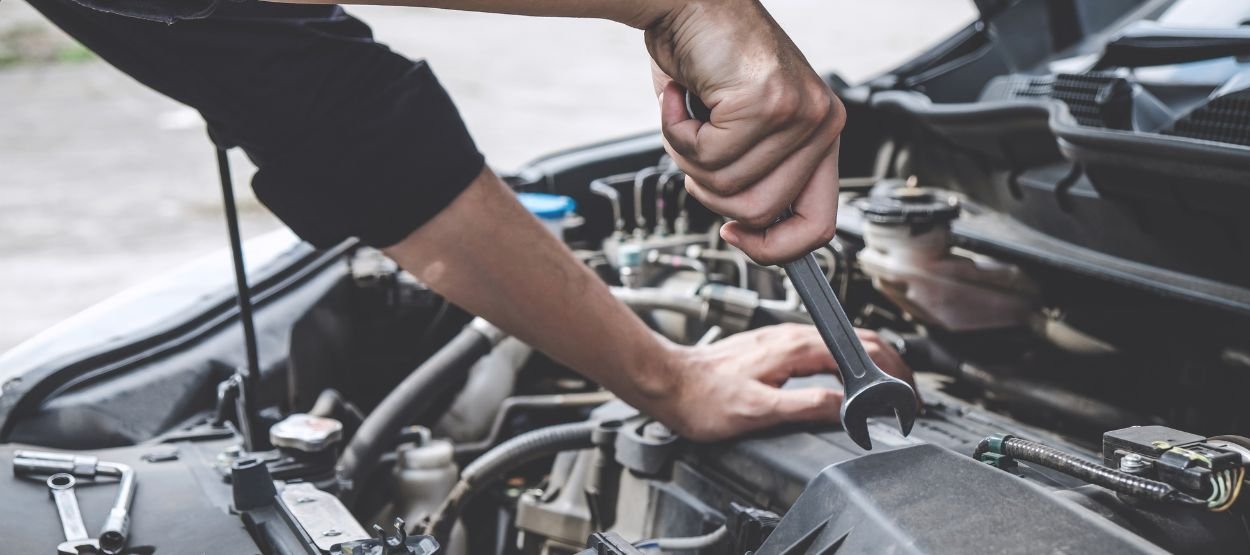



Driving throughout Kansas City, Missouri requires navigating changing weather, bad roads, traffic and long commutes. Your car takes a beating even on a seemingly normal excursion. Regular car maintenance can help you avoid problems and lower your chances of a crash. It can also help you identify safety hazards before they become expensive fixes. Drivers in Kansas City ought to have a basic maintenance schedule that includes tires, brakes, fluids, lights, wipers and battery. Missouri also has safety inspection standards that make some vehicle examinations more than a recommendation. A realistic car care handbook for local drivers.
Begin With Your Tires
One of the first things to examine is the tires. Kansas City roads may take a toll on tires. Potholes, uneven pavement, curbs and sudden changes in the weather can all take their toll. Check your tire pressure at least once a month. Check it before long travels as well. Use the pressure specified by your car manufacturer, not the number stamped on the tire side wall. Search for:
- Under-inflated tires
- uneven wear on the tread
- Slashes or cracks
- Sidewall bulges
- Objects lodged in the tread
- A punctured tire
Don’t Ignore Uneven Wear. It can indicate an alignment or suspension issue. Tread, too. Bald or poorly worn tyres might diminish grip when the conditions are wet. Missouri driving instruction also demands that tires fulfill safety criteria, such as laws against bald or mismatched tires.
Take Care of Your Brakes
Brake problems rarely improve by themselves. If your automobile squeals, grinds, pulls to one side or takes longer to stop, get it checked. A soft brake pedal also requires prompt treatment. Missouri law mandates that motor vehicles must have appropriate brakes in good functioning order. The brake check should be above the brake pads. A mechanic can inspect the rotors, calipers, braking fluid, lines and other aspects of the system. That little test can be a sign of a large problem.
Make sure you have the battery
The weather in Kansas City can vary from sweltering summer days to cold winter evenings. Those changes can be tough on a car battery. Check for rust around the battery posts. Watch for indications of a delayed start, such a sluggish engine crank. If your battery is growing old, have a professional inspect it before winter sets in. A weak battery could start great one morning, and not start the next. Nobody wants to find that problem in a parking lot at the grocery store.
Change Oil and Fluids Regularly
Your engine oil protects the working parts inside your engine. Refer to the service schedule in the owner’s handbook. Don’t stick to the old habit of changing oil at one predetermined mileage for every car. Services can differ from modern autos. Also check the other fluids. They may include coolant, brake fluid, gearbox fluid, power steering fluid and windshield washer fluid. Low or unclean fluids could mean a leak or other issue. A little puddle under your car should not turn into a backdrop landscape. Find out why it happened.
Check Your Lights and Wipers
Kansas City vehicles face rain, snow, fog and dark winter mornings. Working lights help you see, and help others see you. Watch your:
- Headlamps
- Brake Lights
- Blinker lights
- Warning light
- Rear lights
- Back-up lights
Wipers also get equal attention. Replace blades if they leave streaks, skip on the glass or won’t clear water. Missouri safety checks cover windshield wipers, lighting, and a number of other vehicle parts. It is quite helpful to have a clean windshield during a heavy downpour.
Kansas City winters are coming.
Winter car care should begin before the first big storm. Check your battery, tires, antifreeze, wipers, lights and heater. Keep your windshield washer reservoir filled with fluid rated for cold conditions. You should also store essential emergency supplies in your car. A compact kit can include a phone charger, flashlight, blanket, gloves, water and basic first-aid goods. You might not ever have to use them. That’s the point. Kansas City winters can bring ice and snow that can make even a short drive more difficult. Good planning allows you some wiggle room to deal with a poor day.
Spring Check for Your Auto
Winter sometimes leaves a mark. As the weather warms up, check underneath the vehicle for any leaks or damage. If you detect any changes while driving in the winter, check the tires and brakes. If necessary, wash the underside of the car. Winter travel can lead to the accumulation of road filth and salt. Spring is also a great time to have your air conditioning system checked before the heat of summer. Two easy checks now could save you from an unwanted surprise down the road.
Warning lights don’t ignore
A warning light is your car attempting to talk to you. Some lights just beg for your attention. Others say you should get service soon. Don’t guess when a warning light comes on. Refer to the owner’s manual or get the car checked by a skilled mechanic. There are a lot of different things that can make the check engine light come on. A loose gas cap can cause it to come on but more significant problems can also cause the light. If the light is flashing, pull over when safe to do so and seek professional assistance.
Missouri Safety Inspection Regulations
There’s also a legal side to car care for Missouri drivers. Missouri law mandates that some automobiles be safety inspected at an approved inspection station. There are exceptions, such as automobiles less than 10 years old from model year with less than 150,000 miles. Inspections can include brakes, lights, steering, mirrors, wipers, tires, wheels, exhaust systems, glass, fuel systems and other safety equipment, the Missouri State Highway Patrol said. You can use your renewal letter from the Missouri Department of Revenue to determine if your vehicle needs a safety inspection. Inspection standards can be hard to get right, especially when you acquire an older used car. Don’t take your friend’s word for it—check your state’s current regulations.
Simple Service Records
You don’t need some complex system. Keep your repair orders and jot down the date and mileage following major service. Keep a record of oil changes, tire work, brake work, battery replacement and any major work. These records may assist you in recalling future service. They’re also good if you sell the automobile later. A clear service history gives the next owner some vital information.
But what if a crash is caused by poor maintenance?
This is when car care can turn into a legal issue. A driver is required to drive a suitably safe vehicle. Fault after an accident must be proven by the evidence, although bad maintenance might create safety hazards. If a car loses control on a wet road, worn tires could be a factor. A malfunctioning brake system may also prompt doubts about whether the car was properly maintained. That doesn’t immediately render the owner of the vehicle legally accountable. Crash inquiry may include driver’s conduct, car condition, road conditions, weather, and other elements. If you are injured in a Kansas City crash, retain records of your repairs, photos, medical documents and other proof. Don’t just assume you know the cause.
A Simple Car Care Routine for Kansas City
You don’t have to work on your car every weekend. Just keep it basic instead. Monthly: Check tire pressure, lights, fluids, wipers and any evident tire wear. Check the battery, brakes, belts, hoses, and air filters every few months. Winterizing: Battery, tires, coolant, heater, lights, emergency supplies. Pre-Trip Inspection: Tires, oil, fluids, lights, wipers and spare-tire equipment. When anything doesn’t seem right: Have it checked out, don’t delay. The last rule will probably cause you the greatest hassle. Kansas City drivers have enough to contend with on the road without unnecessary automobile trouble. Routine maintenance keeps your automobile ready for the next commute, school run, work trip or weekend excursion. A little attention now can equal less headaches later.
Common questions
1. How often do Kansas City drivers need to check their tires?
Check tire pressure at least once per month and before long trips. Also check the tread and sidewalls for damage, uneven wear or any items embedded in the tire.
2. What sections of an automobile are reviewed in a Missouri safety inspection?
Missouri inspections can include brakes, lights, steering, mirrors, windshield wipers, tires, wheels, glass, exhaust systems, fuel systems and other essential safety equipment.
3. Are all Missouri cars required to be safety inspected?
No, Missouri has exemptions. For example, automobiles in their first 10 years of their model year and with less than 150,000 miles are usually exempt from the safety inspection requirement.
4. Can a poorly maintained car crash lead to legal trouble?
It can be a problem when investigators try to figure out what caused a crash. But maintaining it does not prove legal guilt. Full set of facts to be reviewed.
5. What to do if you don’t feel comfortable driving your car?
If the situation presents a safety hazard right away, stop driving. Have the car evaluated by a skilled mechanic before putting it back on the road.