


A city that talks politics at bus stops and dinner tables
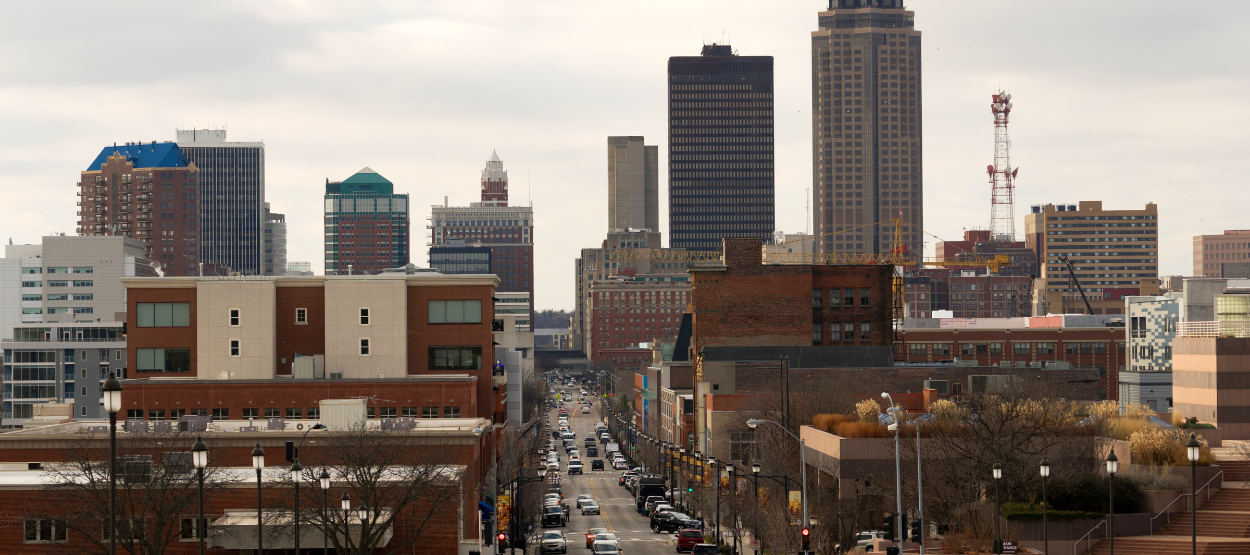
Kansas City has a political voice that never really sleeps. People talk about it at bus stops, barber chairs, and late dinners. It is not just speeches or big meetings downtown. It is everyday life mixed with public decisions. You hear opinions fast, sometimes loud, sometimes soft. A street repair sparks talk about budgets. A school issue turns into a full debate over coffee. Honestly, it feels close, like politics sits next to you. Some say it feels messy. Others say it feels alive. Both can be true at the same time.
City halls and street talk that rarely match perfectly
Inside council rooms, rules and plans get shaped carefully. Outside, people talk about what actually works on their street. There is always a gap between paper and pavement. A road plan may look clean on charts. But drivers still hit potholes on morning routes. That gap builds tension, then fuels more discussion. Local leaders try to close that gap. They meet groups, attend forums, and listen. Still, not every voice feels heard. You know what stands out? Small issues often matter most. Trash pickup delays. Crosswalk timing. Bus timing too. These are not flashy topics. But they shape trust in leadership more than speeches do.
Votes that quietly shape daily life
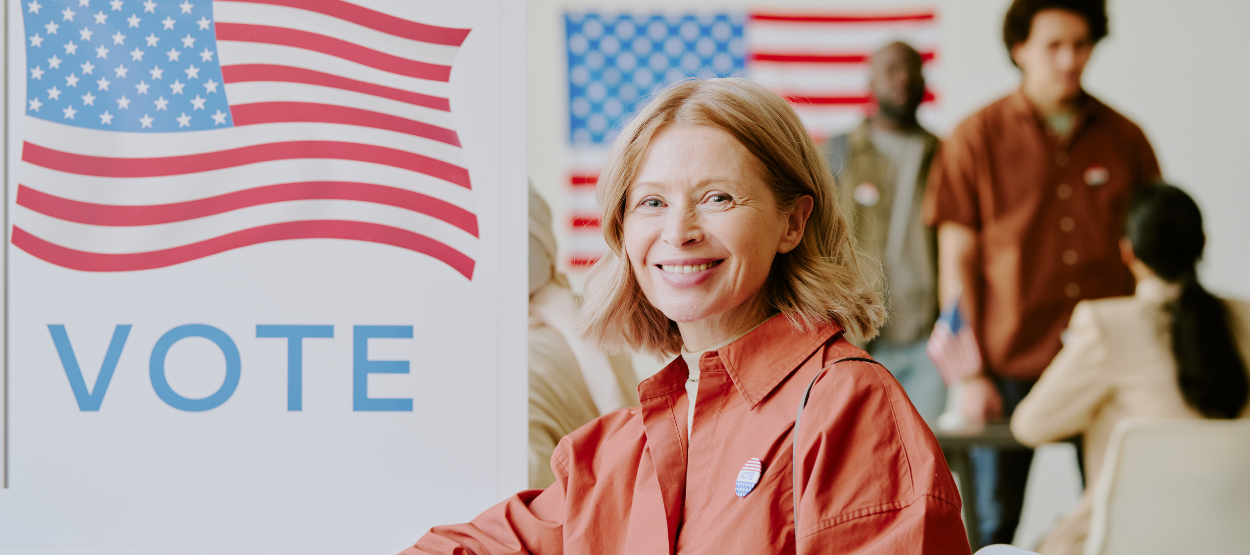
Voting in Kansas City is not just a civic habit. It shapes schools, housing rules, and transport paths. One ballot can change funding for local services. Another can guide zoning decisions for new buildings. People sometimes skip elections, thinking nothing changes. But even small margins shift local policy. School funding debates often bring strong emotions. Parents care deeply, and students feel the results directly. That link between vote and life feels very real here. And yes, turnout matters more than many expect. A few hundred votes can shape key decisions. It feels simple on paper. But it carries long-term effects in daily routines.
Law, rules, and the civic backbone
Legal systems in Kansas City guide how change moves forward. Courts, ordinances, and local rules form the backbone of order. Property laws shape housing growth. Traffic laws shape how streets feel. Public safety rules shape trust in neighborhoods. Law is not just courtroom talk. It touches permits, rentals, and even sidewalk use. Some residents find legal language hard to follow. That gap creates confusion and frustration at times. Community groups often step in. They explain rights in plain language. They help people understand what rules actually mean. A fair system depends on clarity. Without it, trust starts to slip. So legal voices matter, even when quiet. They hold structure in a city that moves fast at times.
Neighborhood voices that carry real weight
Walk through different areas and you hear different stories. North, south, east, and west all speak with unique tone. Some talk about housing costs rising slowly. Others focus on safety at night. Some worry about jobs near their block. There is pride too. Local events, food spots, and parks bring people together. A community meeting can feel small. But it often sparks real action later. People want to be heard, not just recorded. That difference matters more than it seems. Sometimes frustration shows up. But so does hope, even in hard talks. And that mix keeps civic life moving forward.
Vision for change that feels grounded, not loud
Talk of change in Kansas City is steady, not rushed. People want better roads, safer blocks, and stronger schools. Some want more youth programs. Others want clearer housing rules. Many want better transport timing. Change here does not come from one voice alone. It comes from many small pushes together. Local leaders often balance budgets carefully. They try to match need with available funds. There is always debate about priorities. That is normal in any active city. Still, the direction often points toward improvement. Slow steps, but real ones. You can feel it in new projects and updated spaces. Not perfect, but moving.
Why this political scene feels personal
Politics here is not distant. It sits in daily routines. A bus delay leads to a policy question. A school change leads to a community meeting. A new building sparks zoning debate. People connect actions to outcomes quickly. That connection keeps attention high. It also keeps pressure on leaders. They cannot ignore local feedback for long. You might ask, does it ever calm down? Not really. It just changes shape over time. And that is what makes it interesting. It stays close to real life, always.
The quiet thread that ties it all together
Across Kansas City, one thing stands out. People care about where they live. They argue, question, and sometimes disagree sharply. But they still show up, speak, and vote. That steady participation builds civic strength. It is not loud all the time. But it is constant. And that constancy shapes the future more than big headlines.
FAQs
Why is Kansas City politics so locally focused?
Brief answer: It stays close to daily life.
Detailed answer: Local issues like roads, schools, and safety dominate talks. People see effects quickly, so attention stays sharp on city decisions.
How do local votes impact residents?
Brief answer: Votes change services and policies.
Detailed answer: Elections guide funding for schools, transport, and housing rules. Even small vote shifts can redirect key city resources and plans.
What role does law play in city decisions?
Brief answer: Law sets structure for all actions.
Detailed answer: Local laws control zoning, safety, and public projects. They help balance growth with fairness across neighborhoods.
Do community voices really influence decisions?
Brief answer: Yes, they often shape outcomes.
Detailed answer: Public meetings and feedback guide leaders on real needs. Community pressure can adjust or refine city plans over time.
What is the biggest challenge in Kansas City politics?
Brief answer: Balancing needs and resources.
Detailed answer: Leaders must match limited budgets with rising public demands. That balance often drives debate and slows some decisions.